AI Bid Automation: Cut Tender Filing from 3 Days to 3 Hours

Filing government tenders manually on GeM or PSU portals takes up to 3 full days. You have to read long PDFs, match BoQ items, and check HSN codes by hand. AI bid automation changes this. Platforms like OpportunityX cut the work down to under 3 hours. AI reads the documents, checks your eligibility, and maps your taxes automatically. This lowers your costs by 80% and keeps your bids error-free.
For Micro, Small, and Medium Enterprises (MSMEs) across India, securing contracts from Public Sector Undertakings (PSUs) like BHEL, NTPC, and Indian Railways through portals such as the Central Public Procurement Portal (CPPP) and the Government e-Marketplace (GeM) represents a major revenue driver. However, traditional proposal preparation remains one of the most resource-intensive bottlenecks for growing companies.
A standard tender document spans anywhere from 150 to 200 pages. Historically, a dedicated tender executive or external consultant spent three full working days per submission reading technical criteria, verifying CA turnover certificates, checking Udyam Registration MSE benefits, and cross-referencing 8-digit HSN tax codes.
Today, modern generative AI and intelligent document automation are transforming this 72-hour manual ordeal into an automated 180-minute review process.
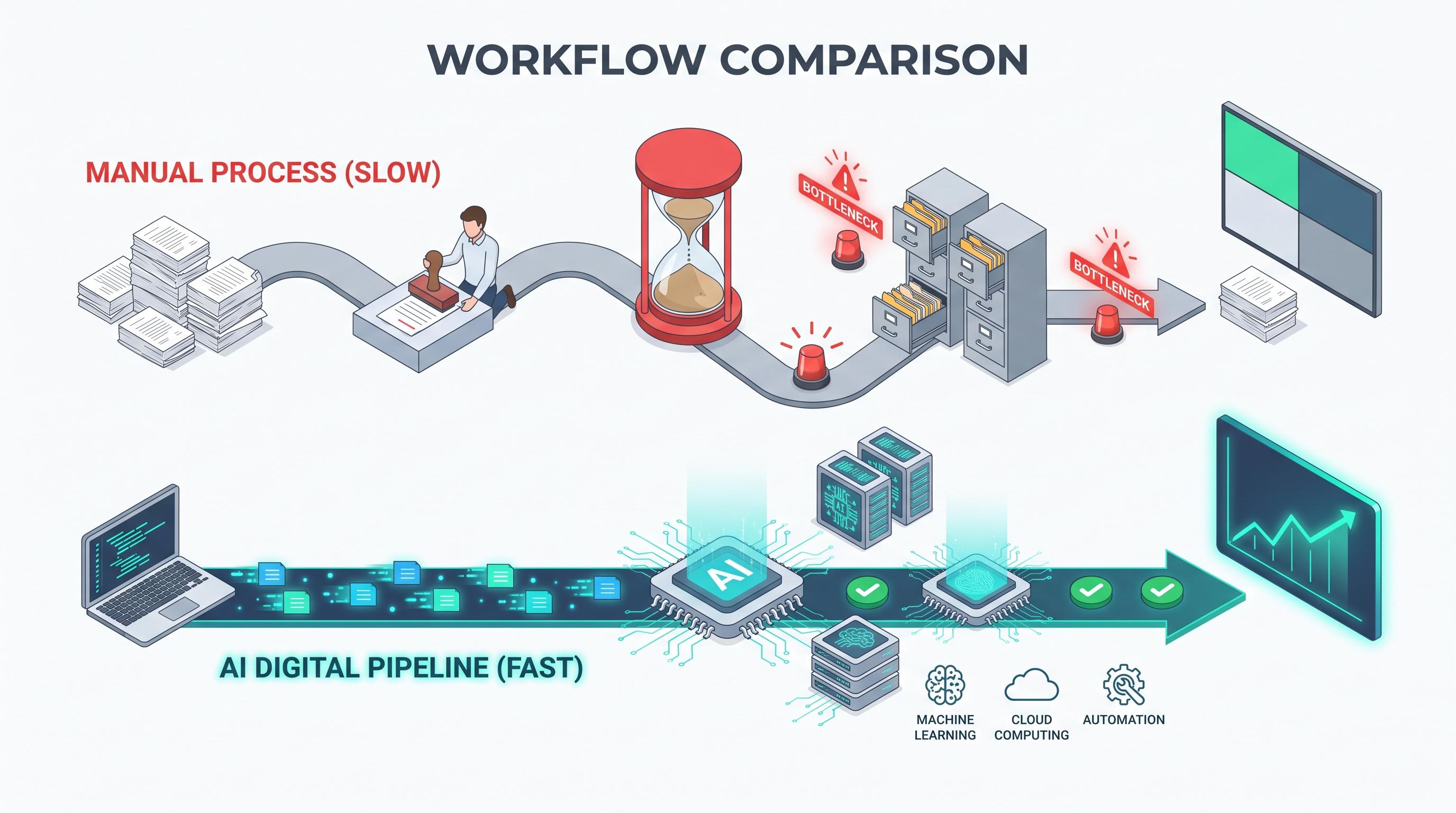
The 3-Day Manual Bidding Bottleneck
The traditional manual tender desk creates operational drag that limits business growth:
High Labor & Consultant Fees: Relying on external bidding agents charging ₹2,000 to ₹5,000 per filing or maintaining a full-time tender team costing ₹25,000+ monthly drains working capital.
Opportunity Cost: Preparing each proposal manually in 3 days caps submission capacity at roughly 4 to 8 tenders per month. Dozens of lucrative opportunities closing on state portals pass by untouched.
Clerical Rejection Risk: Reading long technical specifications under tight deadlines introduces human fatigue. Simple errors such as an unverified 8-digit HSN code or an outdated lab test report trigger immediate rejection under Rule 160 of the General Financial Rules (GFR 2017).
How AI Bid Automation Shrinks 72 Hours to 180 Minutes
Modern platforms like OpportunityX do more than simple keyword searches; they are built with deep knowledge of Indian public procurement rules and GST tax structures. Here is how the 3-hour workflow operates in practice:
Phase 1: Instant Document Parsing (15 Minutes)
Instead of skimming hundreds of pages using manual keyword searches, specialized language models analyze the tender PDF instantly.
Extracts Earnest Money Deposit (EMD) values, Performance Bank Guarantee (PBG) terms, delivery schedules, and submission deadlines.
Flags hidden compliance clauses, customized SLAs, and mandatory experience requirements.
Phase 2: Catalog to BoQ & HSN Auto-Mapping (45 Minutes)
Incorrect tax classifications or mismatched product specs cause post-award invoice disputes and technical rejections.
The AI compares the buyer's Bill of Quantities (BoQ) against your inventory database.
Maps required 8-digit HSN codes directly to your factory specifications and GST portal filings for full compliance.
Phase 3: Eligibility & Qualification Screening (30 Minutes)
Before investing hours into bid creation, the platform measures your exact probability of technical qualification.
Cross-checks your 3-year turnover, net worth statements, and past performance certificates against the tender requirements.
Identifies compliance gaps such as expired NABL lab reports or insufficient local content under Make in India guidelines so your team can resolve them before submission.
Phase 4: Automated Annexure & Package Assembly (90 Minutes)
Automatically fills self-declarations, non-conviction affidavits, Integrity Pacts, and local content certificates.
Assembles the entire technical submission package into properly labeled digital folders, formatted for direct portal upload.
Time & Cost Breakdown: Manual vs. AI-Powered Tender Desk
Operational Metric | Manual Tender Desk | AI-Powered Tender Desk |
Turnaround Time | 3 Days (24 Working Hours) | Under 3 Hours (180 Minutes) |
PDF Document Review | 4 to 6 Hours | 30 Seconds |
HSN & BoQ Alignment | Prone to clerical oversight | 100% Precise Data Mapping |
Monthly Filing Volume | 5 to 8 Bids Max | Unlimited Capacity |
Cost Per Submission | ₹2,000 – ₹5,000 per filing | Low fixed software subscription |
Rejection Risk | Moderate to High | Near Zero (Systematic AI Audit) |
Unlocking Working Capital Efficiency
AI bid automation does more than save time it speeds up your payments. When AI verifies your HSN codes upfront, your post-award invoices process smoothly. Manual tax errors can lock up government payments for 90 to 120 days.
4 Steps to Build an AI-Powered Bidding Desk
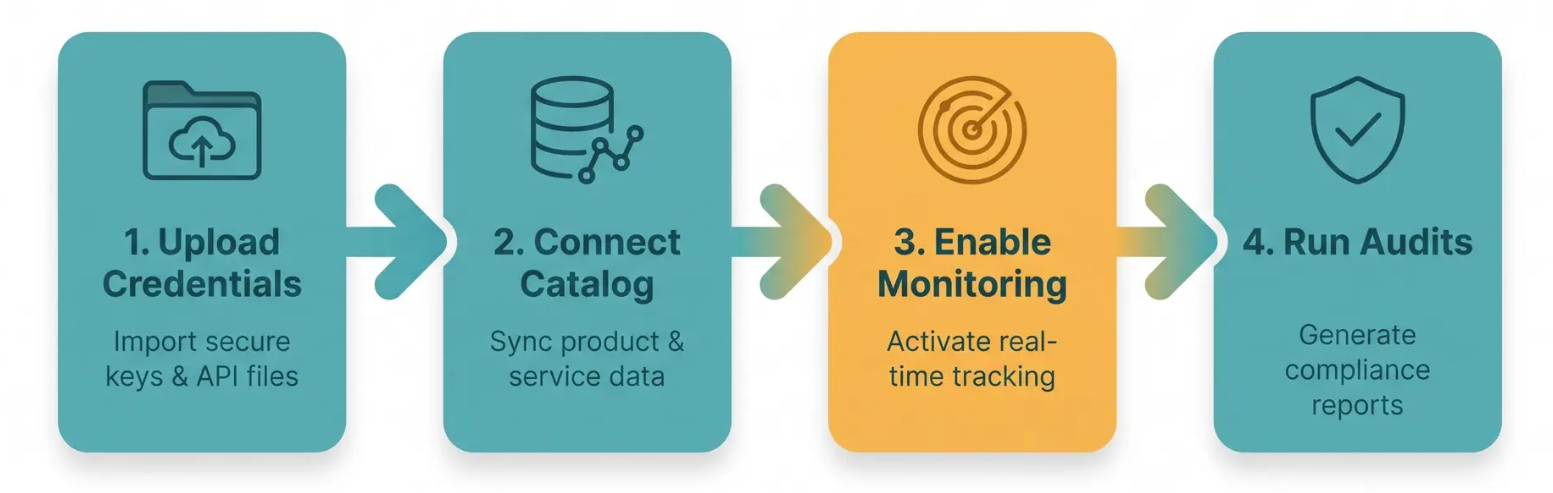
Centralize Credentials: Store historical Purchase Orders, CA-certified turnover statements, ISO certifications, and test reports in a secure digital vault.
Integrate Inventory Data: Upload your technical datasheets, material specifications, and 8-digit tax codes into the platform.
Automate Tender Tracking: Configure keyword filters across 90+ government portals to stream matching tenders into your dashboard automatically.
Run Pre-Submission Checks: Allow the AI to generate compliance matrices, draft annexures, and package files for final human sign-off before portal upload.
Final Takeaways
Massive Efficiency Gains: AI compresses tender filing time from 3 days to under 3 hours, enabling your team to submit up to 3x more bids.
Zero Technical Disqualifications: Automated HSN, GST, and BoQ cross-referencing catches clerical mistakes before final submission.
Protect Working Capital: Error-free bids ensure smooth invoice clearance, reducing payment delays and maintaining healthy cash flow.
Human-in-the-Loop Control: AI handles repetitive data extraction and drafting, leaving your team free to focus on strategic pricing and final document sign-offs.
Frequently Asked Questions (FAQ)
AI automates repetitive manual tasks like scanning long PDFs, matching technical specifications line-by-line, verifying HSN/GST tax codes, and drafting standard compliance annexures.
Yes. AI systems generate standardized declarations, local content affidavits, and technical compliance matrices structured strictly according to General Financial Rules (GFR 2017) and GeM terms.
Yes. Modern AI platforms analyze exact product specifications, material compositions, and technical tolerances within your uploaded catalog to match them against the buyer's Bill of Quantities (BoQ).
Advanced AI bidding software uses Optical Character Recognition (OCR) engines trained on Indian public procurement documents to extract data from scanned PDFs, stamped annexures, and low-resolution files.
Yes. When the AI detects that your business holds a valid Udyam Registration, it automatically inserts the appropriate MSE exemption self-declarations into your technical bid package.

QistonPe
AI-powered tender management for Indian MSME manufacturers supplying to PSU OEMs.
Also from QistonPe: Metal Capital. Order-backed raw material financing for tender wins.
© 2026 Ambition10T Innovations Private Limited
Made in India